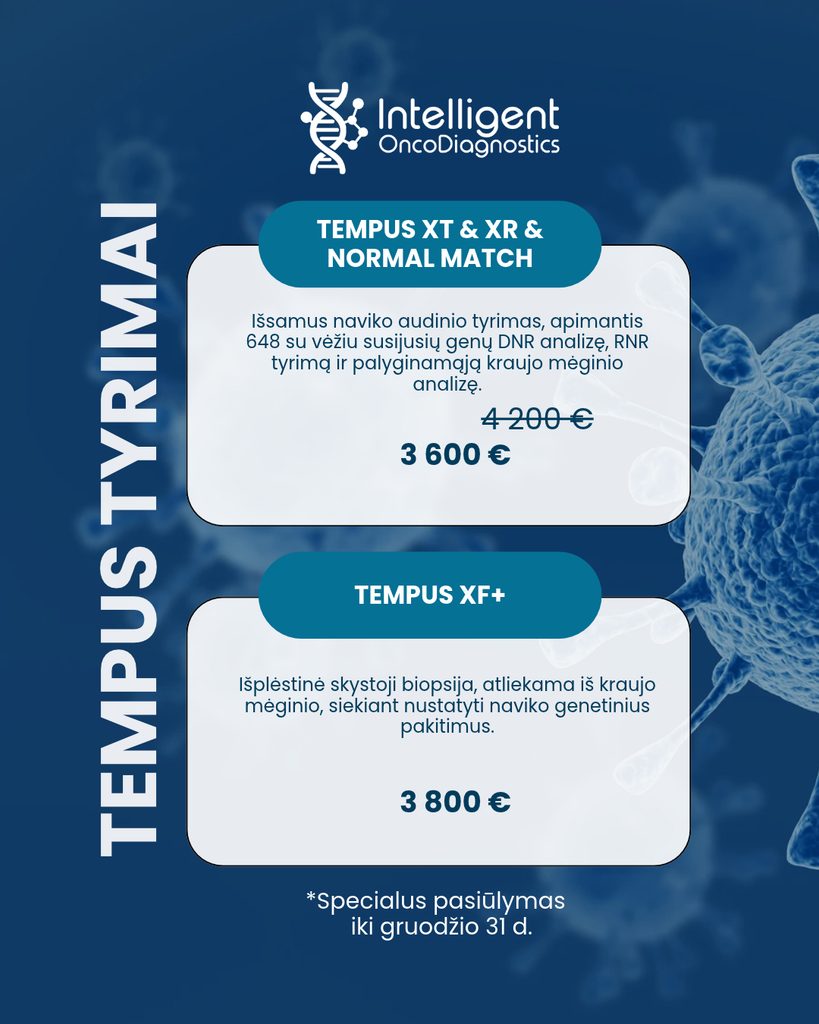


Is genomic testing for stage IV cancer only necessary when the disease becomes advanced, or can it also be useful at earlier stages?
It is often assumed that such testing is only needed when cancer has spread or reached Stage IV. However, this is not a universal rule.
The clinical value of genomic testing for stage IV cancer depends on the cancer type, tumor biology, previous testing, and available treatment options.
Is Genomic Testing for Stage IV Cancer Always Necessary?
When cancer is advanced or metastatic, treatment decisions often become more complex. Doctors may need to determine whether the tumor contains genetic alterations associated with specific targeted therapies or other systemic treatment options.
For this reason, comprehensive molecular profiling can be particularly relevant for many patients with metastatic cancer.
However, this does not mean that genomic testing is never useful before Stage IV.
Can Genomic Testing Be Relevant for Stage I–III Cancer?
Yes, in certain circumstances.
For some types of cancer, the molecular characteristics of a tumor can influence treatment decisions regardless of whether the disease is early-stage, locally advanced, or metastatic.
For example, identifying certain molecular alterations may be important when considering:
- Targeted therapy
- Immunotherapy
- Additional systemic treatment
- Surgery or other aspects of the treatment plan
- Eligibility for clinical trials
Therefore, the question should not simply be “What stage is the cancer?”
An equally important question is:
“Could the molecular characteristics of this patient’s tumor influence treatment decisions?”
Early-Stage Cancer Does Not Mean Tumor Biology Is Unimportant
Two patients diagnosed with cancer at the same stage may have tumors with very different biological characteristics.
A tumor’s genomic profile may help doctors better understand:
- Which molecular processes are occurring within the tumor cells
- Which genetic alterations may be clinically significant
- Whether certain treatment options may be relevant
- Whether the patient might meet the eligibility criteria for a particular clinical trial
Therefore, cancer stage alone does not always determine whether molecular testing is appropriate.
Does This Mean Every Cancer Patient Should Undergo Comprehensive Genomic Testing?
No.
That would also be an incorrect conclusion.
Comprehensive genomic testing is not automatically necessary for every patient diagnosed with cancer.
In some cases, doctors already have all the information required to select an appropriate treatment. If additional molecular data would not influence treatment decisions, comprehensive testing may provide little additional clinical benefit.
The need for testing should therefore be assessed individually.
When Might Genomic Testing Be Considered Before Stage IV?
A doctor may consider comprehensive tumor genomic testing in several situations.
1. When Treatment Decisions May Depend on the Tumor’s Molecular Characteristics
If specific genetic or molecular alterations are associated with particular treatment options, identifying them may be clinically important.
2. When Systemic Treatment Is Being Planned
In certain situations, understanding the tumor’s molecular profile may provide valuable information before selecting a treatment strategy.
3. When the Cancer Has Specific Biological Characteristics
For some cancer types, molecular diagnostics are an important part of treatment planning and may be performed regardless of whether the disease has reached Stage IV.
4. When Participation in a Clinical Trial Is Being Considered
Some clinical trials require patients to have a specific genetic alteration or molecular biomarker.
Genomic testing may help determine whether the tumor contains a biomarker required for trial eligibility.
5. When the Doctor Needs a More Comprehensive Molecular Profile
Standard molecular tests sometimes provide only part of the information needed.
More comprehensive genomic profiling may reveal additional molecular findings that help doctors evaluate potential treatment strategies.
What Is the Difference Between Standard Molecular Testing and Comprehensive Genomic Profiling?
This is an important distinction.
In some situations, a doctor only needs to examine one specific biomarker or a small number of molecular markers. In these cases, targeted molecular testing may be sufficient.
Comprehensive genomic profiling (CGP) examines a much larger number of cancer-related genes and other molecular characteristics in a single test.
Depending on the test, the analysis may include DNA mutations, RNA alterations, gene fusions, tumor mutational burden (TMB), microsatellite instability (MSI), and other biomarkers.
Therefore, the question is not simply whether genetic testing should be performed, but also how much molecular information is needed for the individual patient’s clinical situation.
Should Patients Wait Until Cancer Becomes Advanced?
If a doctor believes that molecular information could be clinically relevant at the current stage of the disease, testing should not necessarily be postponed simply because the cancer has not reached Stage IV.
Treatment decisions are often made at specific points during the course of the disease, which means the timing of testing may also matter.
On the other hand, there is no reason to perform comprehensive genomic testing solely to “test everything” if the results would not influence treatment decisions or further clinical management.
What Should Patients Discuss with Their Doctor?
If you have been diagnosed with cancer, you may wish to ask your doctor:
- Could molecular testing influence treatment decisions for my type of cancer?
- Does the stage of my cancer affect whether genomic testing would be useful?
- Do the molecular tests already performed provide sufficient information?
- Should a specific biomarker be tested, or would comprehensive genomic profiling be more appropriate?
- Could the results help determine whether targeted therapy or a clinical trial might be relevant?
- Should testing be performed now, or could it be postponed?
These questions may help clarify what information is still needed and whether additional testing could provide meaningful clinical value.
So, Is Comprehensive Genomic Testing Only Appropriate for Stage IV Cancer?
No.
Comprehensive tumor genomic testing can be particularly relevant in Stage IV or metastatic cancer, but the stage of the disease is not the only factor.
The clinical value of genomic testing depends on the cancer type, tumor biology, treatment plan, previous testing, and whether additional molecular information could influence or support treatment decisions.
The most important question is not simply “What stage is my cancer?” but rather “Could additional information about my tumor’s molecular characteristics help guide treatment decisions?”
This question should be evaluated by the treating physician based on each patient’s individual clinical situation.
For further information about tumor biomarker testing and its role in cancer treatment, visit the U.S. National Cancer Institute (NCI).
Genomic testing may provide additional information about the molecular characteristics of a tumor. However, the need for testing and its potential clinical value should always be assessed by the treating physician.
To learn more about TEMPUS genomic testing, its capabilities, and comprehensive molecular tumor analysis, visit our Why TEMPUS page.