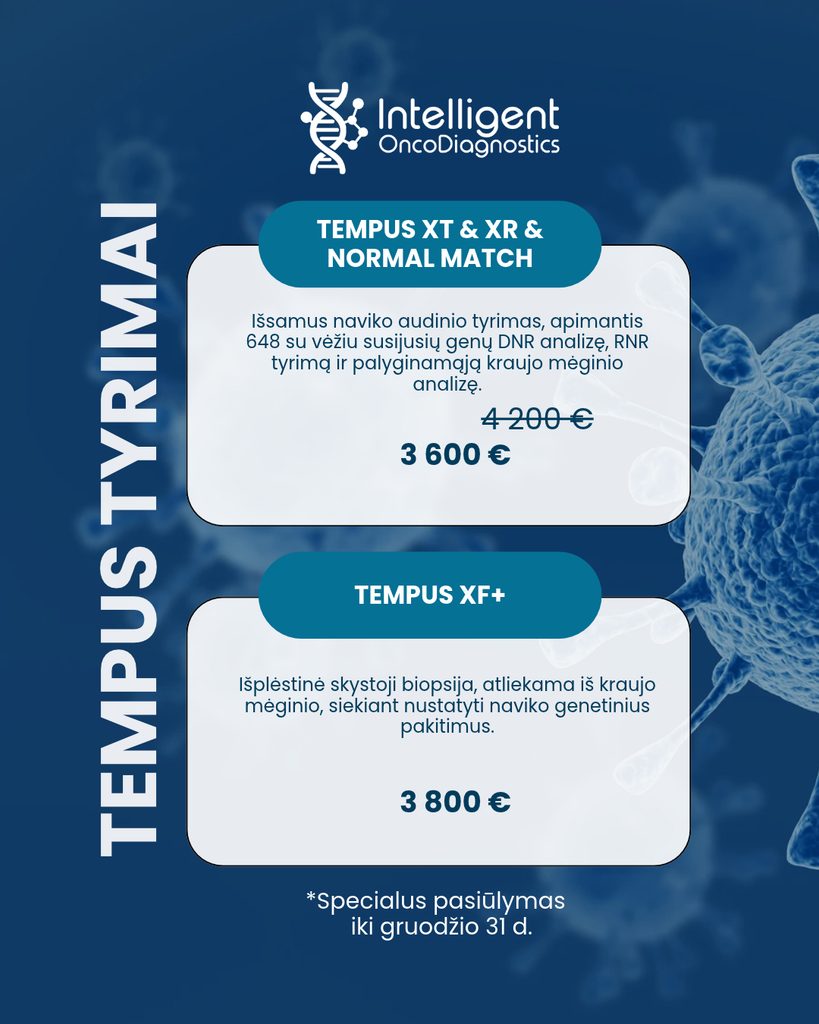


Comprehensive genomic tumor testing can provide doctors with additional information about genetic alterations in cancer. When should this type of testing be considered, and in which situations might it be useful?
Every Patient’s Situation Is Unique
Personalized cancer treatment is becoming increasingly important in modern oncology. Although two patients may have the same type of cancer, their tumors can contain very different genetic alterations.
For this reason, doctors may sometimes recommend comprehensive genomic tumor testing to obtain additional information about the molecular characteristics of a tumor and support future treatment planning.
It is important to emphasize that this testing is not necessary for every cancer patient. The treating physician determines whether testing is appropriate based on the patient’s individual clinical situation.
What Is Comprehensive Genomic Tumor Testing and What Can It Reveal?
Comprehensive genomic tumor testing is an advanced laboratory analysis that examines numerous cancer-related genes and other molecular biomarkers simultaneously.
Depending on the specific test, the analysis may include:
- DNA mutations
- RNA alterations
- Gene fusions
- Tumor mutational burden (TMB)
- Microsatellite instability (MSI)
- Other clinically relevant biomarkers
This information can help doctors better understand the biology of a tumor.
When Might a Doctor Recommend Comprehensive Genomic Tumor Testing?
Although every patient’s situation is different, comprehensive genomic testing may be considered in several clinical circumstances.
Advanced or Metastatic Cancer
When cancer has spread to other parts of the body, doctors may need more detailed information about the tumor’s molecular characteristics.
For some patients, identifying specific genetic alterations may help guide decisions about targeted therapies or other treatment approaches.
When Standard Treatment Options Are Limited
Sometimes conventional cancer treatments no longer provide the expected results.
In these situations, additional molecular information may help doctors evaluate potential alternative treatment strategies.
When Molecular Biomarkers Need to Be Identified
An increasing number of treatment decisions in modern oncology depend on specific molecular biomarkers.
Examples include:
- EGFR; ALK; ROS1; KRAS; BRAF; HER2; RET; MET; NTRK
Not all biomarkers are relevant to every patient or cancer type. The treating physician determines which tests are appropriate for the individual clinical situation.
When Clinical Trial Participation Is Being Considered
Some clinical trials require patients to have specific genetic alterations or molecular characteristics in their tumors.
Genomic testing may help identify biomarkers relevant to trial eligibility. However, additional clinical criteria must also be met.
When Might Comprehensive Genomic Testing Be Unnecessary?
Not every cancer patient needs comprehensive genomic testing.
If treatment decisions do not depend on additional molecular biomarkers, or if the treating physician already has sufficient information, further testing may offer limited clinical benefit.
The decision should therefore always be individualized.
Can Genomic Testing Be Performed Using a Blood Sample?
In certain situations, yes.
If tumor tissue is insufficient or difficult to obtain, the treating physician may consider a liquid biopsy, which can analyze circulating tumor DNA (ctDNA) in a blood sample.
However, liquid biopsy is not suitable for every clinical situation. A negative blood-based result does not always exclude the presence of clinically relevant alterations, and tissue testing may still be necessary.
What Questions Should You Discuss with Your Doctor?
If you are considering genomic testing, you may wish to ask your doctor:
- Could comprehensive genomic testing be useful in my situation?
- Is the tumor tissue already collected sufficient for testing?
- Would tissue-based testing or a blood-based liquid biopsy be more appropriate?
- How might the test results influence my treatment plan?
- How long does the testing process usually take?
These questions can help clarify the purpose of genomic testing and its potential clinical value.
What Should You Know Before Making a Decision?
Genomic testing is not a cancer treatment.
It also does not guarantee that a specific treatment option will be identified.
However, it may provide additional molecular information that helps doctors make more informed treatment decisions.
For this reason, genomic testing has become an important component of modern precision oncology in appropriate clinical settings.
For more information about tumor biomarker testing and its role in cancer treatment, visit the U.S. National Cancer Institute (NCI).
To learn more about TEMPUS genomic testing and comprehensive molecular tumor analysis, visit our Why TEMPUS page.