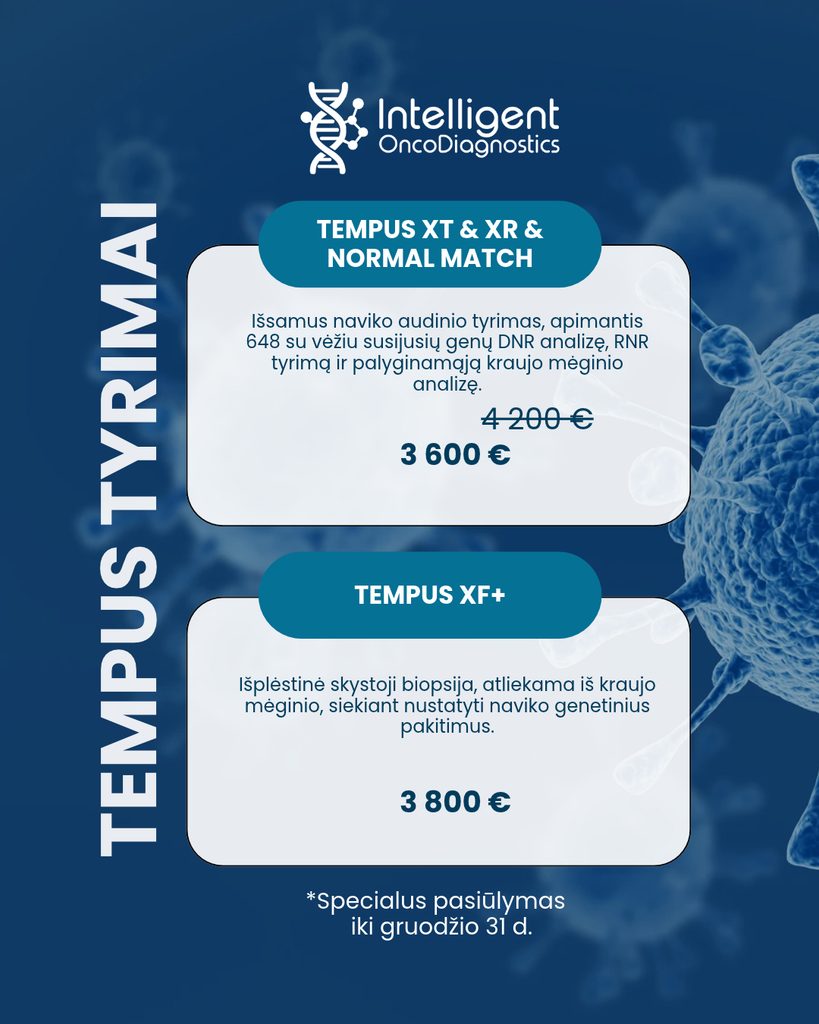


Genomic tumor testing can provide doctors with additional information about genetic alterations in cancer cells and help guide treatment decisions.
Modern oncology is evolving rapidly. In the past, cancer treatment was primarily selected based on where the tumor originated, such as the lungs, breast, or colon. Today, increasing attention is being paid to the individual genetic characteristics of each tumor.
This is why genomic tumor testing has become an important part of personalized cancer care. By providing a deeper understanding of tumor biology, these tests may help physicians make more informed and individualized treatment decisions.
What Is Genomic Tumor Testing?
Genomic tumor testing is a laboratory analysis that examines the DNA of cancer cells and, in some cases, their RNA.
The purpose of this testing is to identify genetic alterations that may be clinically relevant when selecting cancer treatment.
It is important to understand that tumor genomic testing is primarily designed to identify genetic alterations in cancer cells, rather than assess inherited cancer risk.
However, certain findings may suggest a possible inherited genetic variant. In such cases, additional germline genetic testing and genetic counseling may be recommended to determine whether the alteration is inherited.
What Is the Difference Between Genetic and Genomic Testing?
Although these terms are sometimes used interchangeably, they can refer to different types of genetic analysis.
Hereditary (germline) genetic testing examines genetic variants present in a person’s inherited DNA. Such testing can help identify an increased hereditary risk of developing certain cancers.
Genomic tumor testing examines genetic alterations found in cancer cells. Many of these alterations develop during a person’s lifetime and are not inherited.
Identifying these tumor-specific changes can help doctors better understand the disease and may provide information relevant to treatment selection.
Some comprehensive testing approaches also analyze a matched normal sample to help distinguish inherited variants from tumor-specific alterations.
Why Is Tumor Genetics Important?
Even when two patients have the same cancer diagnosis, such as lung cancer, their tumors may have very different genetic characteristics.
One tumor may contain a genetic alteration associated with an available targeted therapy, while another may have a completely different molecular profile.
As a result, the same treatment may not be equally appropriate for every patient.
Genomic tumor testing provides physicians with additional information about the molecular characteristics of a tumor, which may help guide treatment planning.
When Might a Doctor Recommend Genomic Tumor Testing?
The decision to perform genomic testing is made by the treating physician based on the patient’s individual clinical situation.
Genomic tumor testing may be considered when:
- Cancer is advanced or metastatic.
- Molecular information may help determine whether targeted therapy is appropriate.
- Participation in a clinical trial is being considered.
- Standard treatment options are limited.
- Additional molecular information may help guide treatment decisions.
The need for testing depends on the cancer type, disease stage, previous test results, available treatments, and other clinical factors.
Comprehensive genomic testing is not necessary for every patient, and in some situations, testing for specific biomarkers may be sufficient.
How Is Genomic Tumor Testing Performed?
Genomic tumor testing is most commonly performed using a tumor tissue sample previously collected during a biopsy or surgical procedure.
In many cases, archived tumor tissue stored in a pathology laboratory can be used, provided that the sample meets the testing laboratory’s requirements.
In certain clinical situations, testing may also be performed using a blood sample through a method known as a liquid biopsy.
Liquid biopsy analyzes tumor-derived genetic material circulating in the bloodstream. However, it is not suitable for every patient, and a negative result does not necessarily exclude the presence of clinically relevant genetic alterations.
The treating physician determines which testing approach is most appropriate.
The sample is then sent to a specialized laboratory for molecular analysis.
What Can Genomic Tumor Testing Results Reveal?
Depending on the specific test performed, the genomic report may provide information about:
- Clinically relevant genetic alterations.
- Molecular characteristics of the tumor.
- Biomarkers that may influence treatment selection.
- Potential targeted treatment options or other therapeutic strategies.
- Clinical trials associated with specific molecular findings, where included in the report.
Some comprehensive genomic profiling tests may also assess additional biomarkers, such as tumor mutational burden (TMB) and microsatellite instability (MSI).
Not every genetic alteration has an established clinical significance or an associated treatment option.
The results must always be interpreted by the treating physician in the context of the patient’s diagnosis, medical history, previous treatments, and overall clinical condition.
Does Genomic Tumor Testing Guarantee That an Effective Treatment Will Be Found?
No.
It is important to understand that genomic tumor testing does not guarantee that a specific treatment option will be identified.
Some tumors may not contain alterations associated with currently available targeted therapies. In other cases, an identified alteration may not have an established clinical application for the patient’s particular cancer type.
Even when a potentially relevant treatment is identified, its suitability depends on multiple clinical factors.
Nevertheless, genomic testing may provide valuable additional information that helps physicians make more informed treatment decisions.
When Should You Discuss Genomic Tumor Testing with Your Doctor?
If you have been diagnosed with cancer and would like to explore whether additional molecular testing could be useful, consider discussing this with your treating physician.
Questions you may wish to ask include:
- Could genomic tumor testing provide useful information in my situation?
- Have the necessary molecular biomarkers already been tested?
- Is my existing tumor tissue suitable for further analysis?
- Would tissue-based testing or liquid biopsy be more appropriate?
- Could the results influence my treatment plan?
- Is comprehensive genomic profiling necessary, or would a more targeted test be sufficient?
Every patient’s situation is unique. The treating physician is best placed to determine whether additional genomic testing is clinically appropriate.
How Can Intelligent OncoDiagnostics Help?
Intelligent OncoDiagnostics is an official Tempus partner in Lithuania.
We help patients and physicians coordinate comprehensive genomic tumor testing, including providing information about available tests, preparing the necessary documentation, arranging sample logistics, and communicating with the specialized laboratory in the United States.
Testing is performed by the laboratory, while medical decisions and interpretation of results remain the responsibility of the treating physician.
If you would like to learn more about genomic tumor testing or discuss the available testing options, please contact us at info@oncodgn.com.
Learn more about Tempus genomic testing and its capabilities on our Why Tempus page.
For additional information about biomarker testing and its role in cancer treatment, visit the US National Cancer Institute (NCI).